The useful bit, first
- Check portability and the delivery route before buying a large piece.
- Keep approved changes, original parts, and exact removal instructions in one record.
- A useful future move plan starts with buying and installing decisions today.
Thinking about a future move does not mean leaving your home undecorated. It means choosing the parts of the room that are worth carrying forward and avoiding changes that require a complicated exit.
A rental can feel settled with curtains, a good chair, art, thoughtful lighting, and storage that works. Before adding each piece, ask two questions: does it serve this home well, and is there a reasonable plan for what happens to it later?
Buy for a range of rooms, not one unusual corner
Start with pieces that have more than one possible use or position. A small side table might work beside a sofa, next to a bed, or in a future reading corner. A narrow cabinet may transfer from an entryway to a bedroom if its dimensions and storage are genuinely useful.
Be cautious with furniture chosen primarily because it exactly fills the current recess. That can be a reasonable purchase for a long stay, but it is less adaptable if you expect to move soon. Write down the likely length of your stay as a planning assumption, not a certainty.
You do not have to make everything tiny. An undersized sofa you dislike using is not a good moving strategy. Look for a comfortable proportion and a construction you can handle, while avoiding unnecessary bulk such as oversized arms or an extra chaise you rarely use.
Choose colors and finishes you are likely to enjoy beyond the current wall color. A portable piece that works only with one landlord’s carpet may become a reluctant possession in the next home.
Check portability before assembly
Measure the route through doors, halls, stairs, and elevators before buying. Record the product’s assembled dimensions and, where relevant, the delivery dimensions. A flat-packed cabinet can enter easily but become difficult to remove once assembled.
Check the manufacturer’s instructions about dismantling. Some models have specific disassembly guides. Others are not designed for repeated taking apart and reassembly. IKEA’s guidance notes that disassembly can affect fittings and performance on some furniture, so do not assume every flat-packed piece is endlessly reusable.
Prefer manageable pieces when they meet the room’s needs, but do not improvise by carrying an unstable cabinet with contents still inside. Moving a piece safely depends on its construction and the people and equipment available, not merely its appearance.
For larger furniture, factor future professional transport into the decision. An appealing purchase becomes less appealing if it routinely costs more effort and money to move than you are comfortable with.
Keep property changes separate from possessions
Make a written record of approved changes to fixtures, walls, and supplied furnishings. Include any agreement about reinstating the original arrangement. Lease terms and local requirements differ, so do not assume one rental’s move-out expectations apply to another.
If you are allowed to replace handles or window coverings, ask whether original parts should be retained. Put small fittings in labeled bags with a photo of where they came from. Store larger originals appropriately so they are not damaged while out of use.
Do not sell, discard, or donate property-owned items simply because they are no longer visible in your room. Clarify ownership and the agreed handling first. This is especially useful in furnished rentals where the distinction between your purchases and supplied items can become blurred over time.
A simple list with “mine,” “property,” and “approved change” columns can prevent confusion. Update it when you make a change, rather than trying to reconstruct two years of decisions during packing.
Choose decor that can change its role
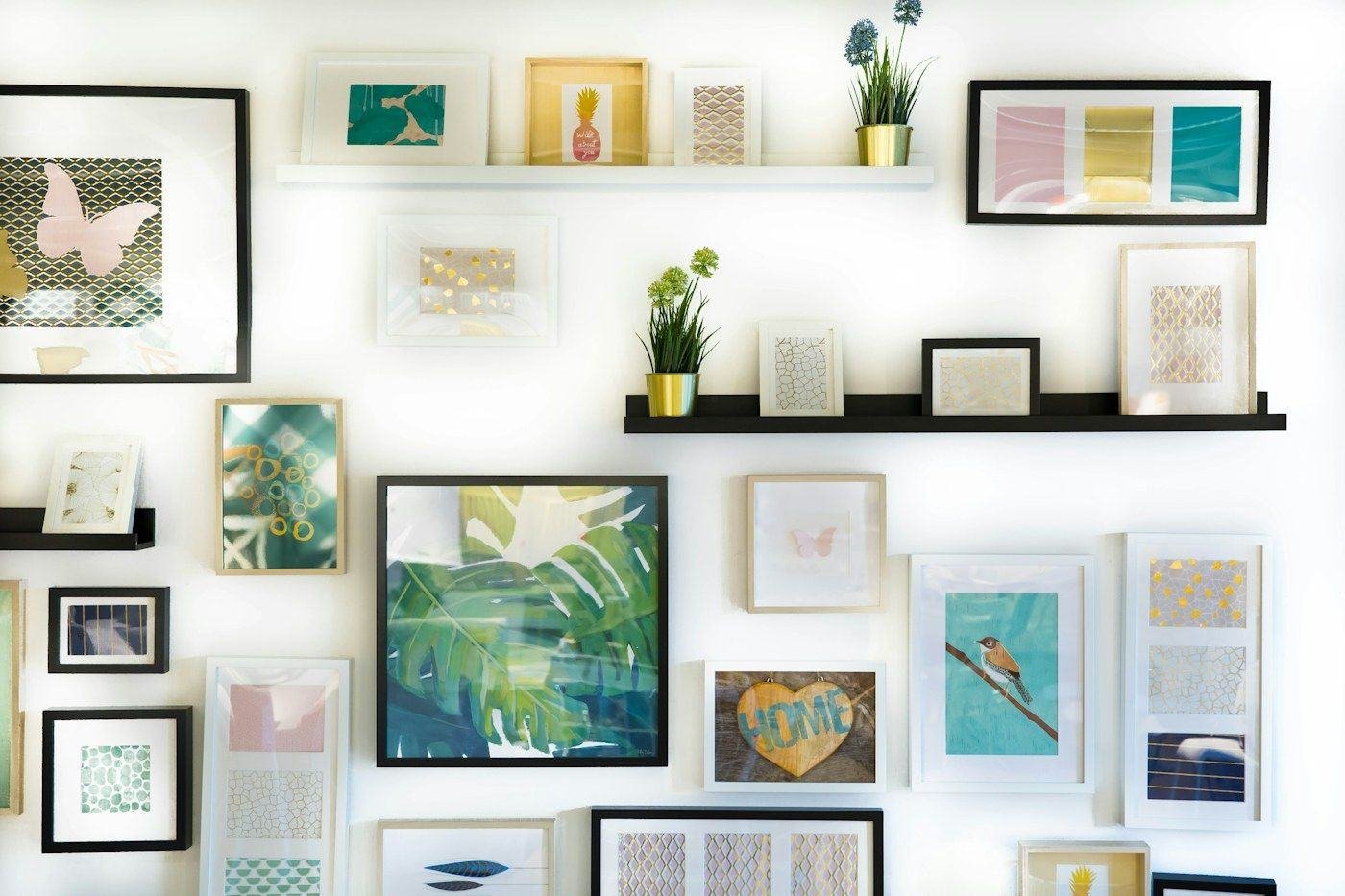
Art in a standard-sized frame can be easier to rehouse than an enormous custom piece for a single wall. Curtains may transfer if their length, heading, and fabric suit the next property, although hardware and dimensions still need reassessment. A lamp that works on several stable surfaces gives you options.
Modular decor is useful when it does not become a collection of extra parts. A pair of modest rugs can work separately in future rooms, while a large rug may be perfect if you expect similar living spaces. Choose according to your real plans rather than following a rule that smaller always moves better.
Store replacement parts and instructions sensibly. Keep the correct refill-strip information for adhesive products, lamp care details, and furniture manuals. Command notes that many hooks can be reused with appropriate new strips, but removed adhesive strips are not reusable.
Avoid accumulating special-purpose accessories you use only to make one arrangement work. If a table requires several risers, a custom extension, and a separate storage trolley, consider whether another piece would be simpler.
Record how things were installed
Photograph the backs of frames, the arrangement of furniture hardware, and any approved fixture changes. Note product names and installation dates when helpful. Save the actual instructions, because packaging can disappear long before the move.
For adhesive products, make sure the required removal tabs remain accessible. For approved conventional fixings, keep the agreed restoration plan. Do not assume a generic online removal trick will suit every paint finish or adhesive.
Take a wide photo of each room once it is set up. This helps if you want to recreate a successful arrangement later, but it also records what was installed. A close photo of a bag of identical screws is far less useful without a note naming the item.
Keep the record compact enough to use. One digital folder and a small labeled parts box are usually more manageable than saving every piece of original packaging in a small apartment.
Use the notice period to simplify, not just pack
Once a move is confirmed, review what will fit the new place before paying to transport everything. Check the new room sizes if available. Decide which pieces remain useful, which can be passed on, and which need suitable repair or recycling through local services.
Start with spare decor and duplicate items. Keep daily essentials available so the home remains workable during packing. Label boxes by the next use, such as “bedside lighting,” rather than only the current room if the future layout will differ.
Arrange removal or collection early for furniture you are not taking. Give honest condition information and confirm what a donation service accepts before booking. A piece left in the hallway awaiting a buyer can block the very route needed for moving.
Make a separate appointment or time allowance for approved restoration and property checks. Packing and repair are different jobs; combining them at the last minute can make both rushed.
Remove decoration carefully and inspect as you go
Follow the exact removal instructions for each product. Work on one area at a time so you can see the finish and respond if something is not behaving as expected. Do not pull all adhesive pieces away from the wall in a hurry.
If a product begins disturbing the paint or leaving residue, pause and ask the manufacturer and property owner for an appropriate next step. Avoid unapproved solvents, scraping, or patching with a color that merely looks similar.
Take photos after removal and after any agreed restoration. Keep the records with the handover paperwork. The purpose is a clear shared account of the property’s condition, not an assumption about how a deposit or dispute will be resolved.
Give the next home a fresh assessment
A successful arrangement deserves to be remembered, but it does not have to be copied. Place the essential furniture first and test daily routes. The side table that served the sofa in the old place may work better beside the bed now.
Recheck wall compatibility, permissions, and hardware before reinstalling decor. New paint, a different wall material, or changed room conditions can make the old method inappropriate. Use suitable new components wherever required.
The payoff for planning ahead is flexibility. You can enjoy the current home fully, knowing which pieces belong to you, how they come apart when appropriate, and how the room can evolve again. A future move becomes a reason to choose carefully, not a reason to postpone living well.
Sources & further reading
For the factual or product-specific points referenced in this guide. Check the current instructions for your own products and space.
Make it work for your home.
These are planning ideas. Your room, your routines, and your product instructions come first.Our guides are researched and developed with AI assistance, then reviewed for usefulness, clarity and consistency. Read our editorial policy.